Expertise


User & Society
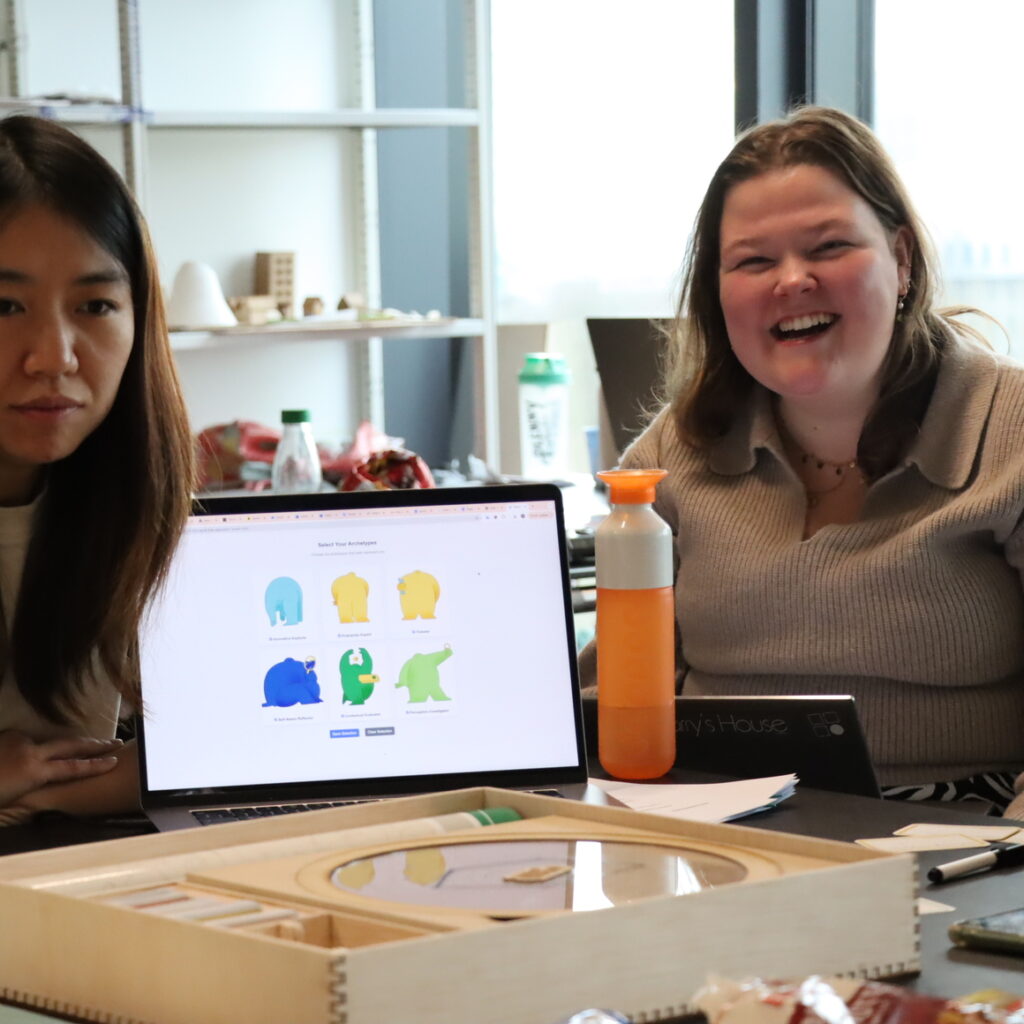
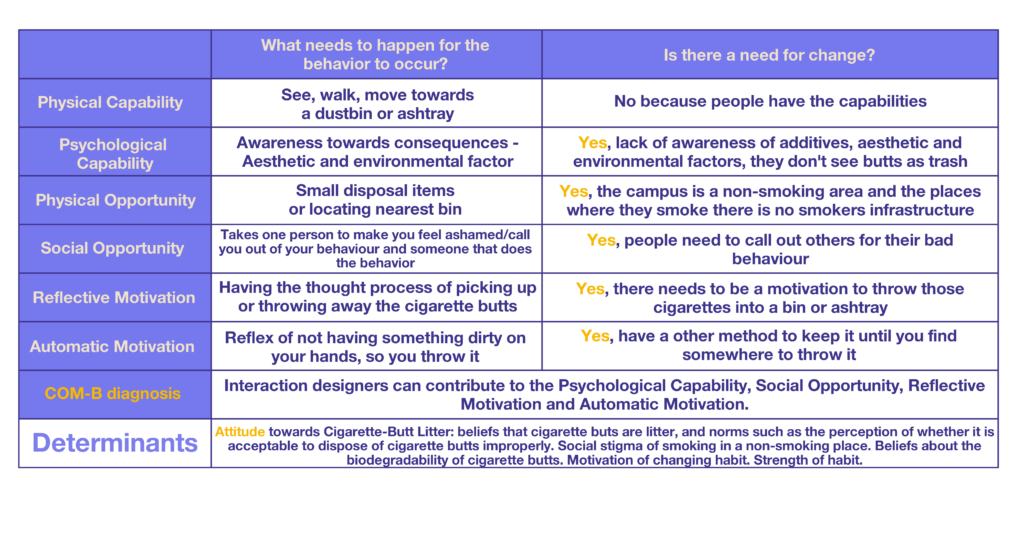
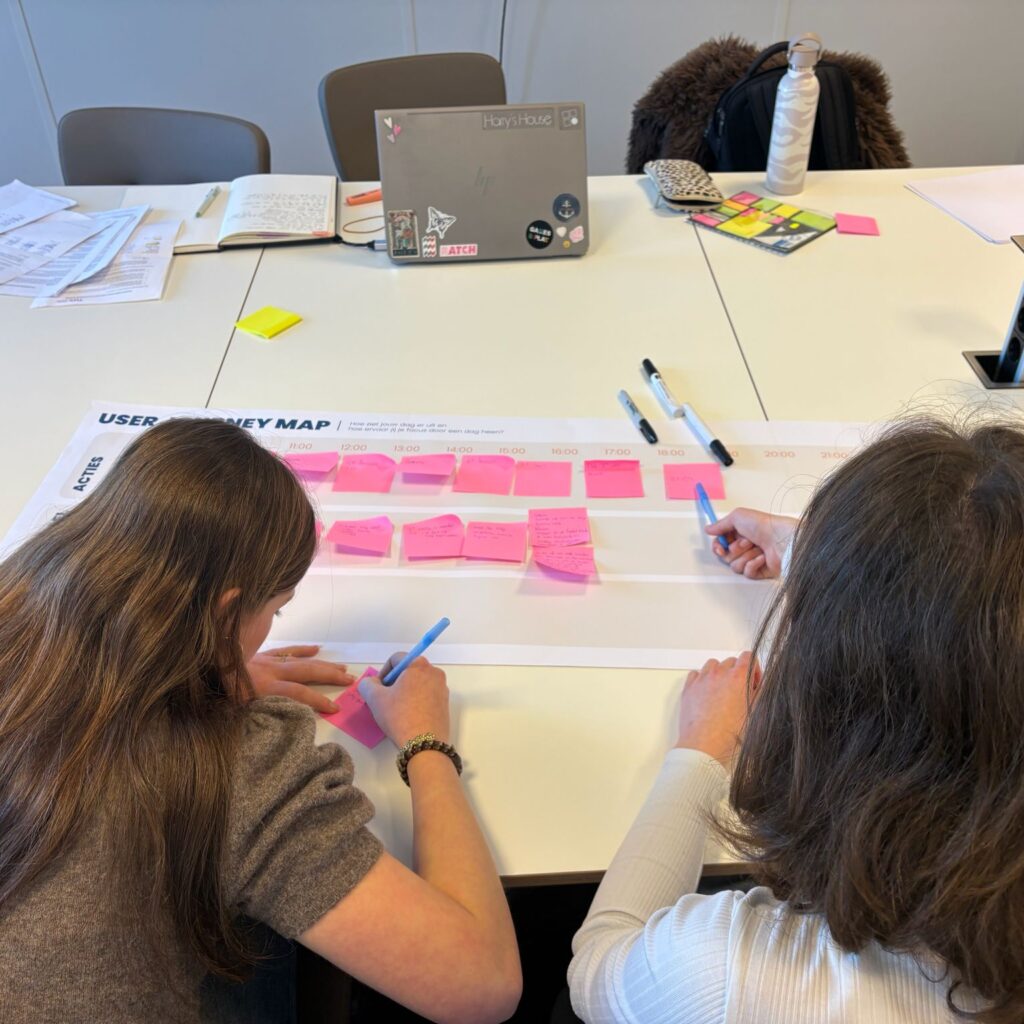
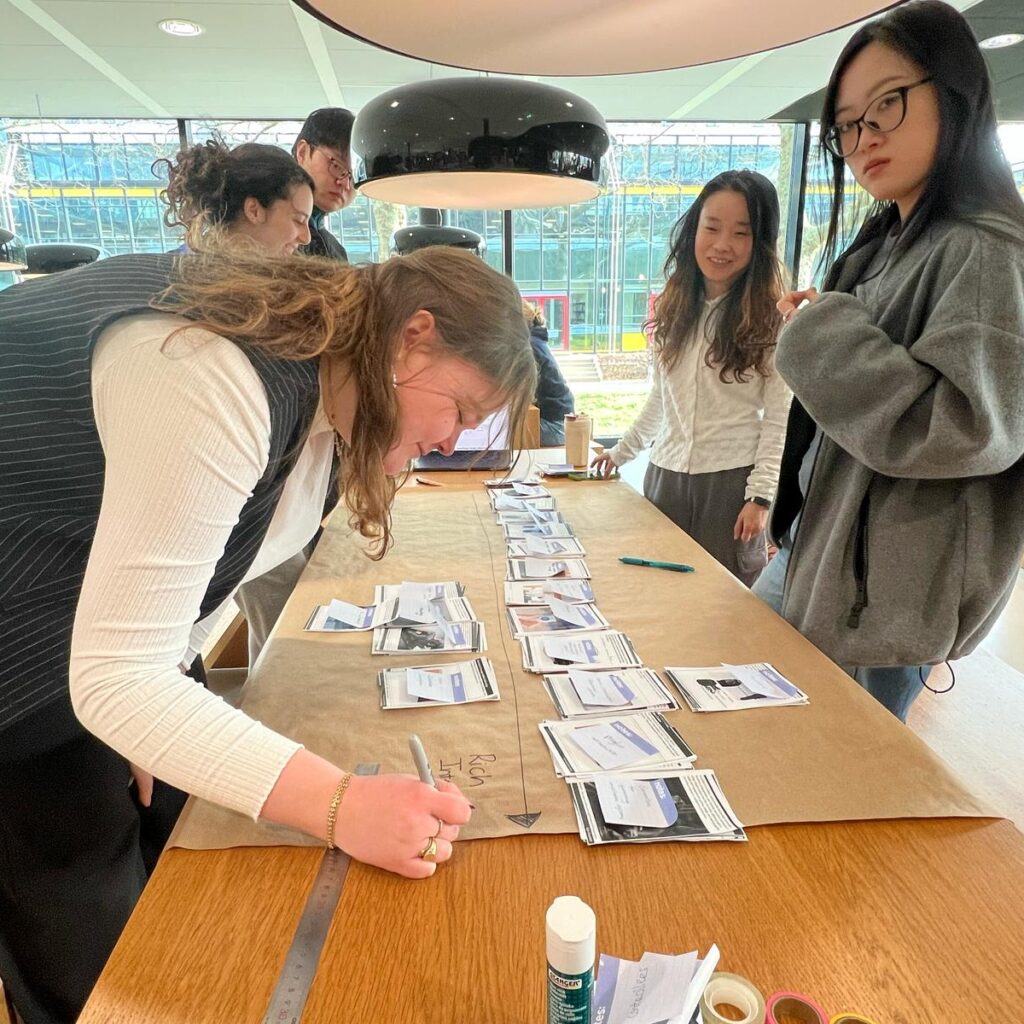
Taking on a user-driven design process is a large part of my identity as a designer, the user and their societal context are always my starting point in a design process. To understand this context, I learned to implement several user research methods, such as interviews, observations, ethnography, probe studies, and co-creation sessions. Additionally, I leaned how behaviour change can be supported through different behaviour change theories and techniques, and how I can deliberately apply them within my process.
My target audience often does not consist of only the end user, but also other stakeholders that affect the system in which the design will be used. By actively involving multiple perspectives throughout various stages of my process, my design decisions remain closely related to both user needs and the societal impact of my design.
Creativity & Aesthetics
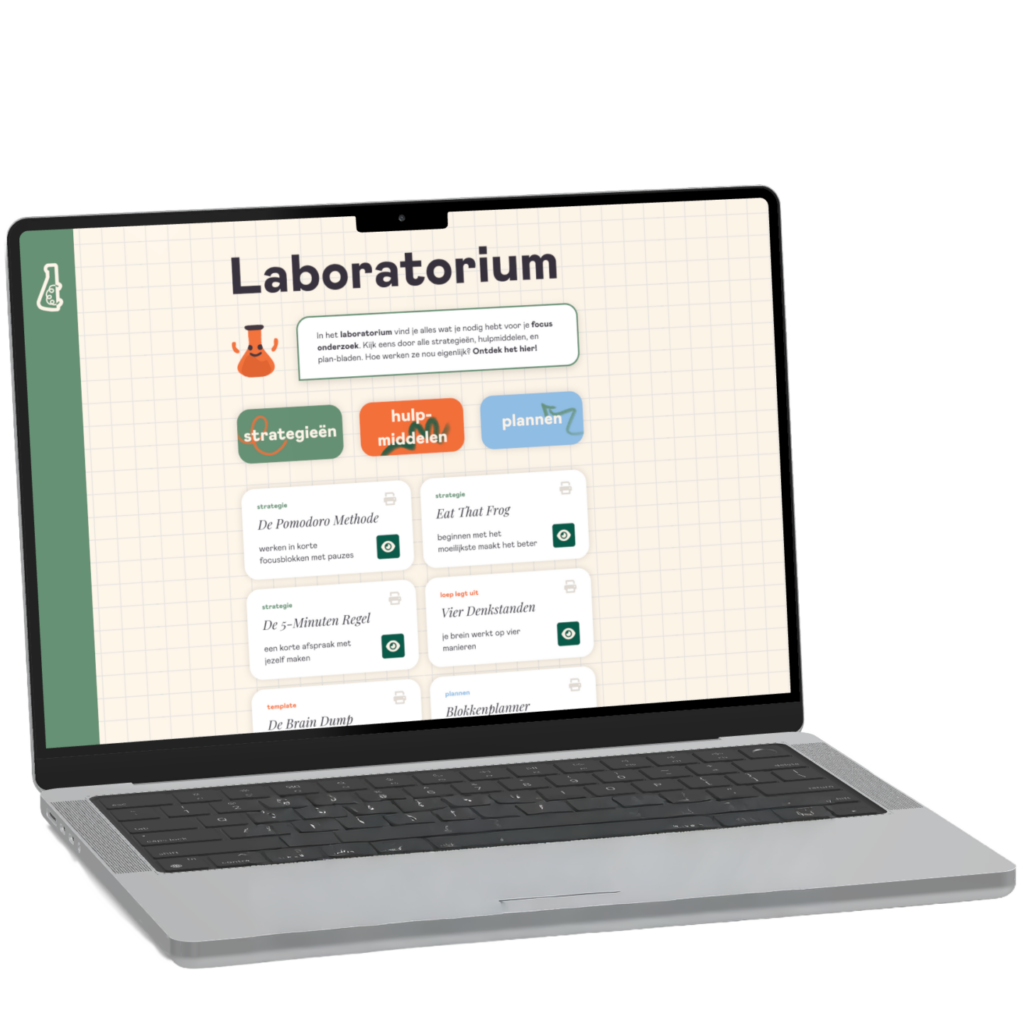
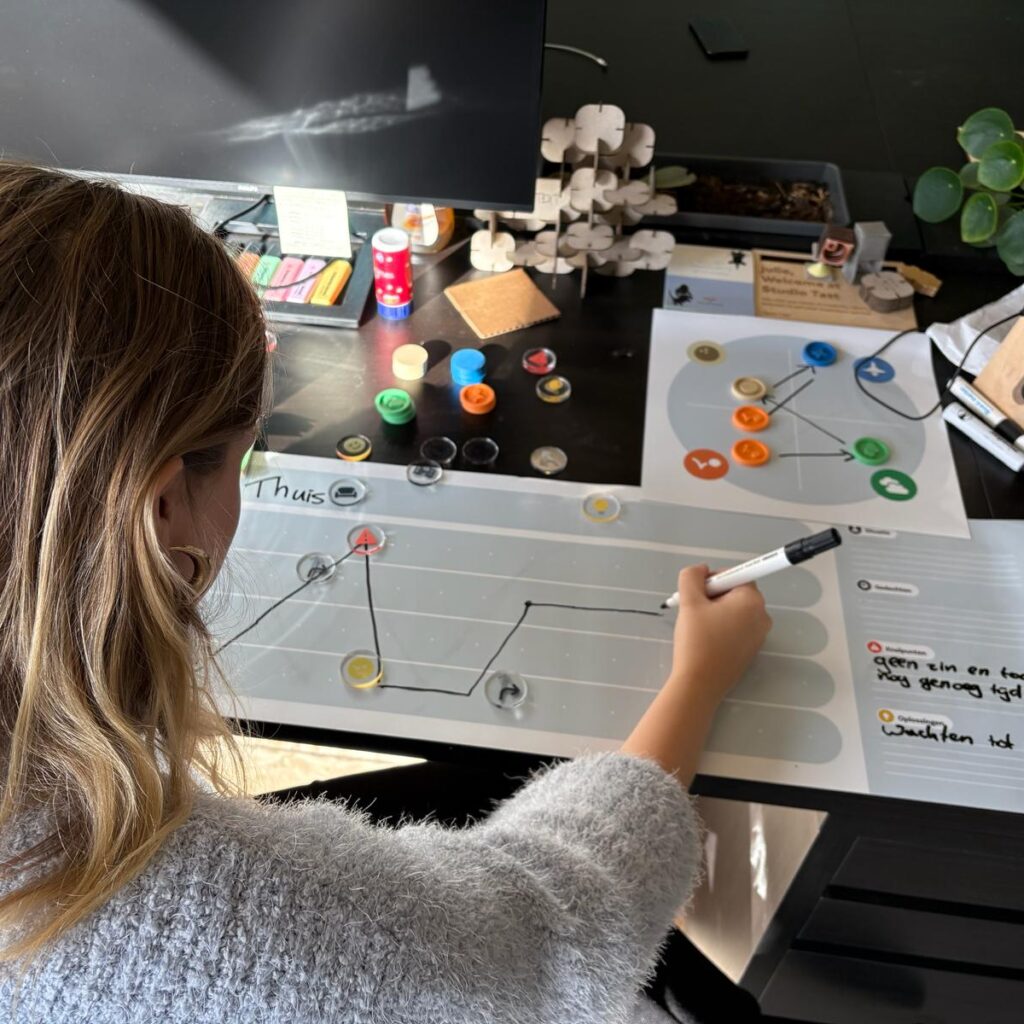
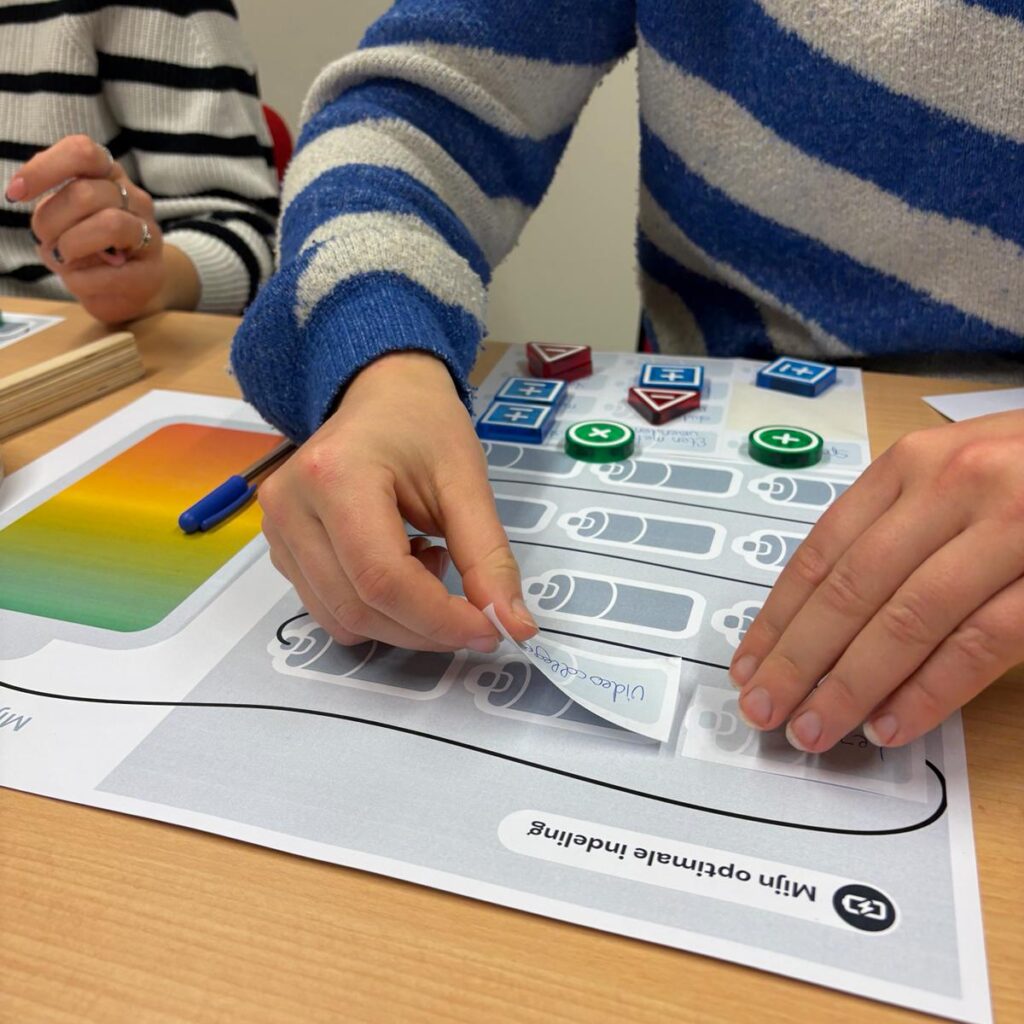
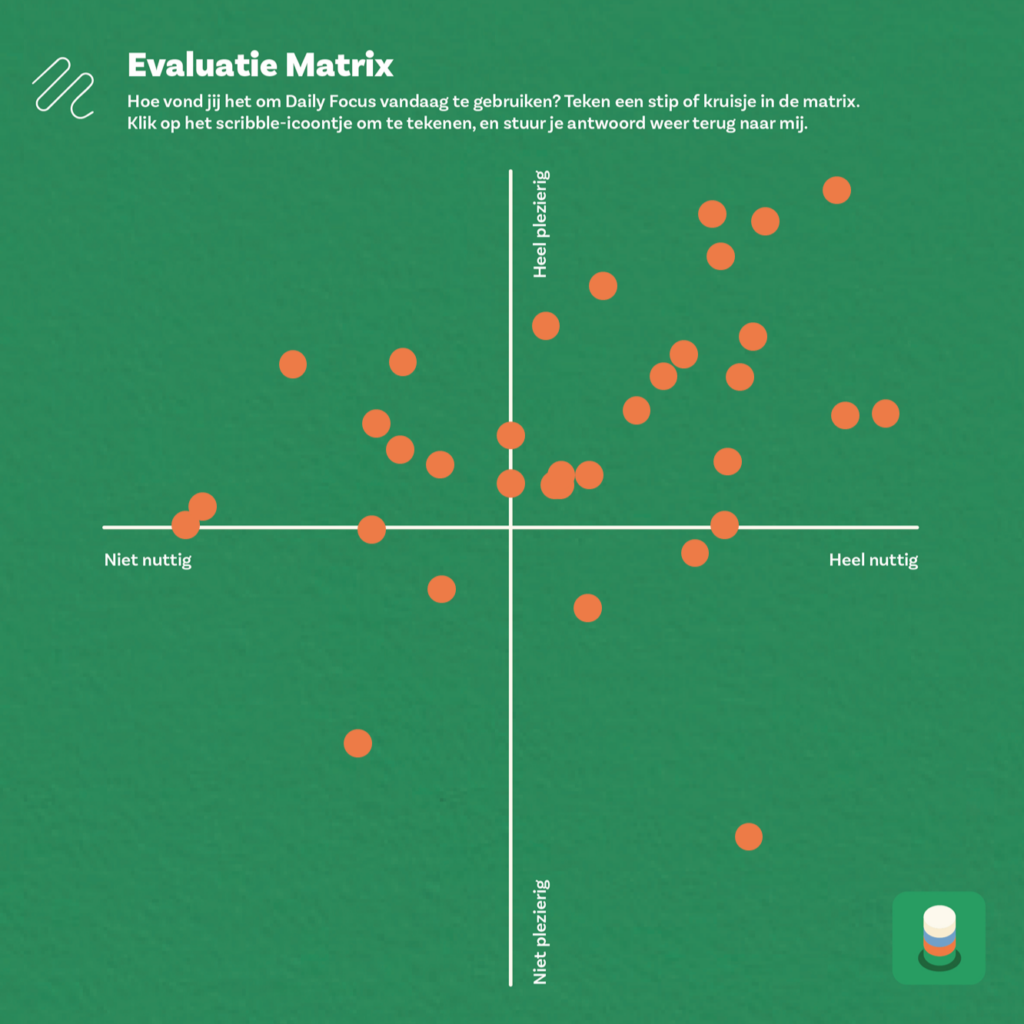
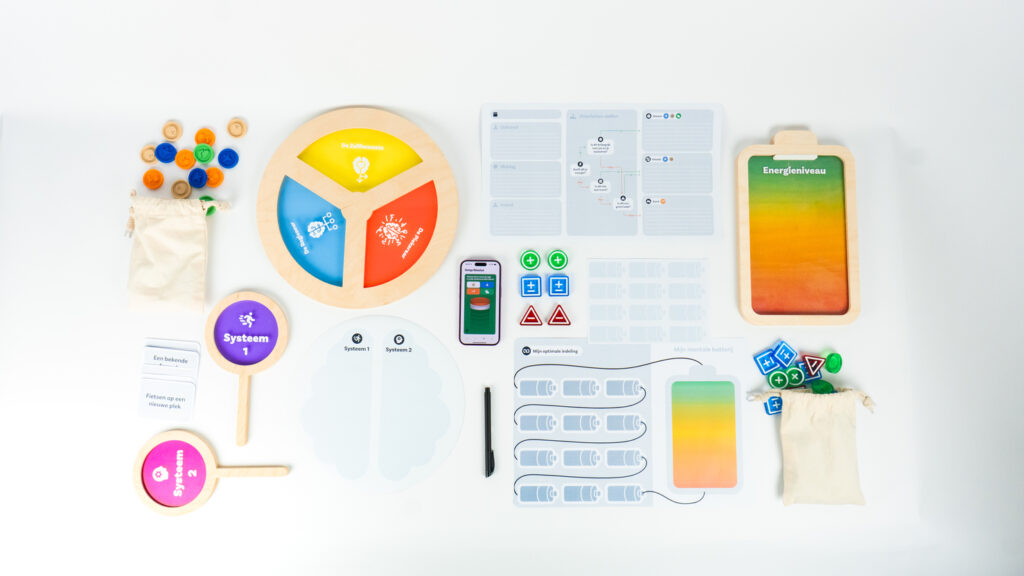
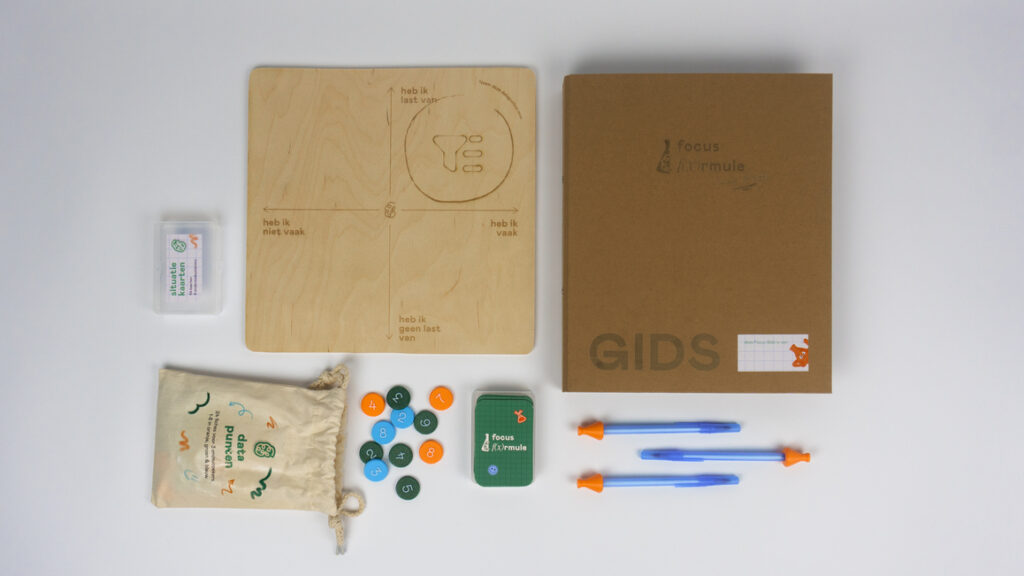
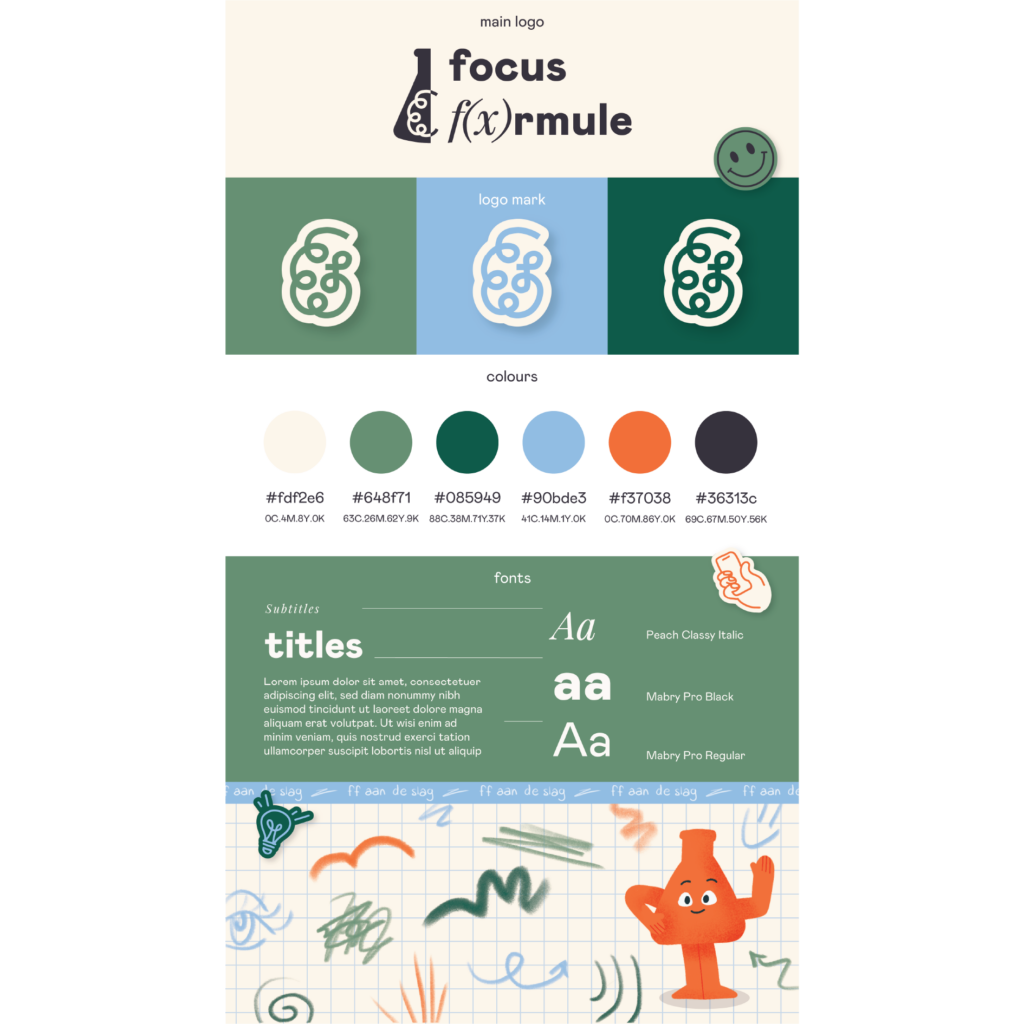
Throughout my Master’s I further developed my skills within visual and graphic design. By designing for real clients, I learned how to make intentional choices in design, graphic elements, and existing design languages that resonate with the target audience. Moreover, I discovered the power of narratives and visual languages to help complex process feel engaging and understandable.
Additionally, learning how to design for complete user experiences within a bigger system, leveraging multiple perspectives, has shaped my designer identity. I developed a system-thinking approach which strengthens the coherence of my designs.
For me, creativity & aesthetics forms the bridge between (user) research and an actual product. Visual design is not limited to improving aesthetic appeal, but is rather a means to support users. This bridge relies primarily on intuitive interactions and affordance that contribute to a consistent user experience that supports understanding, motivation, and accessibility.

Technology & Realization
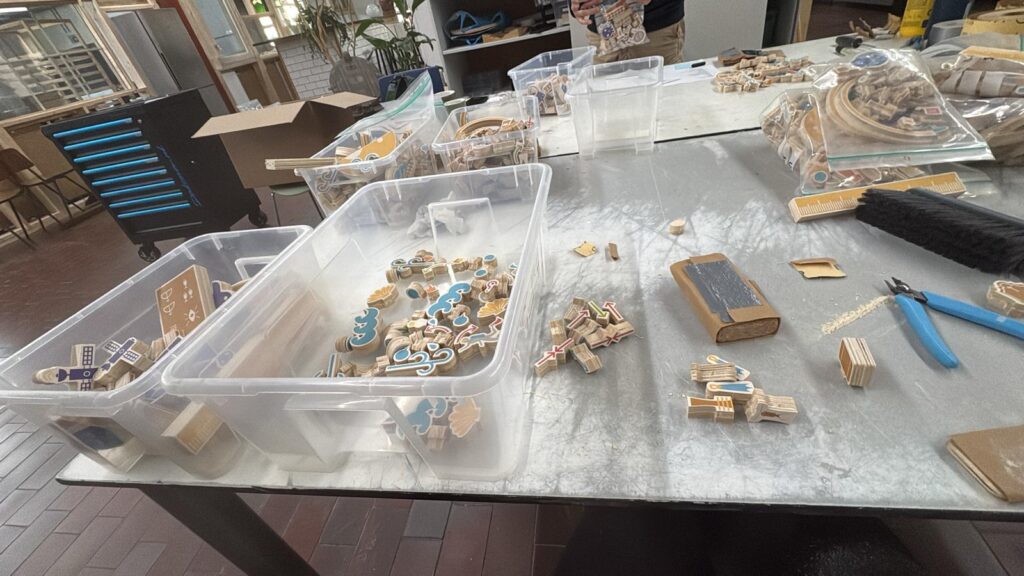
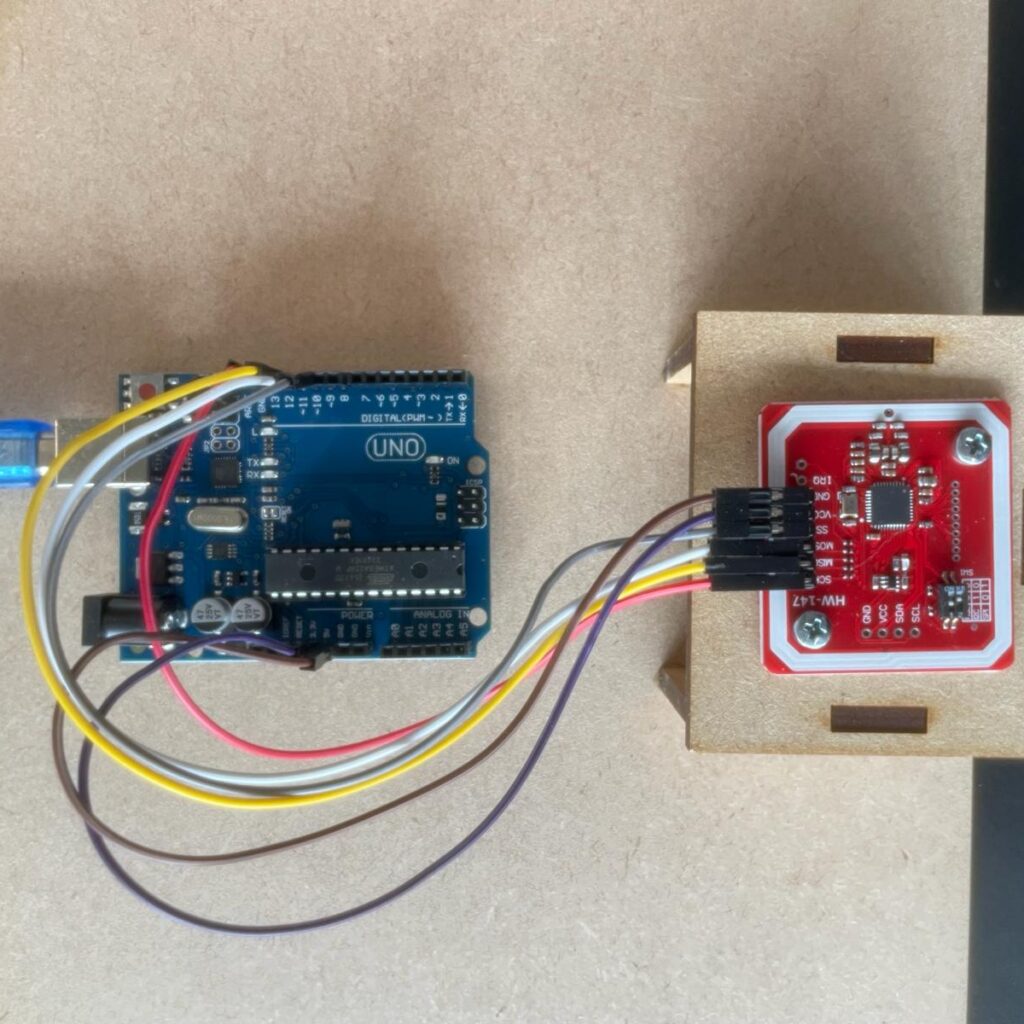
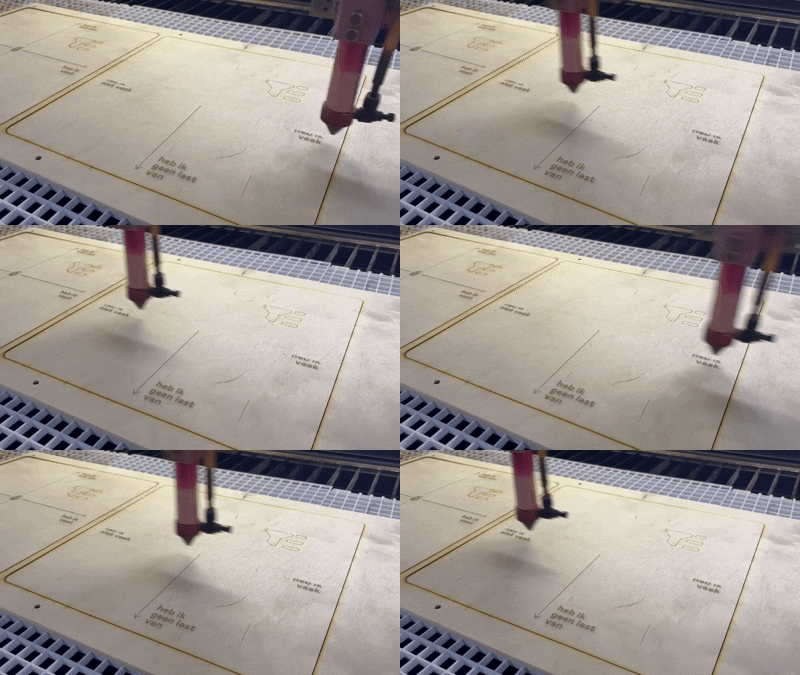
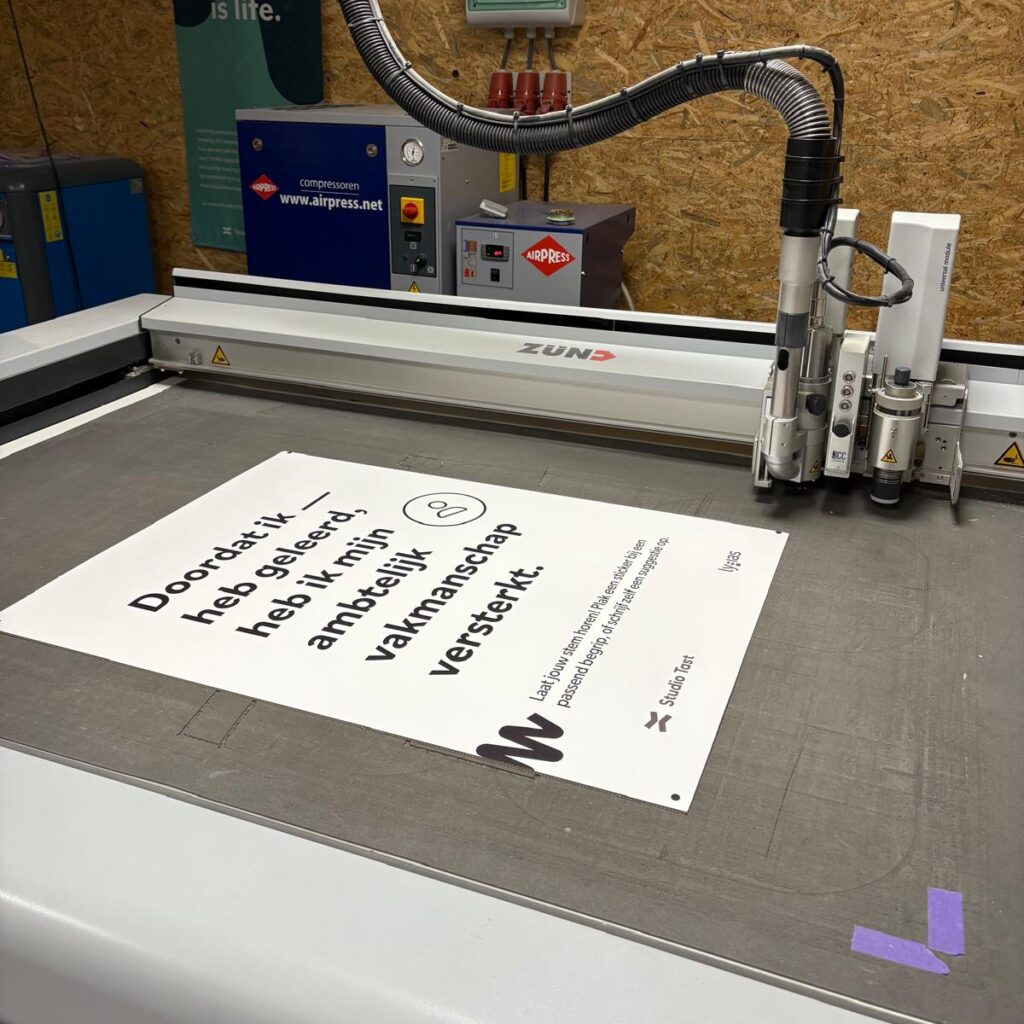
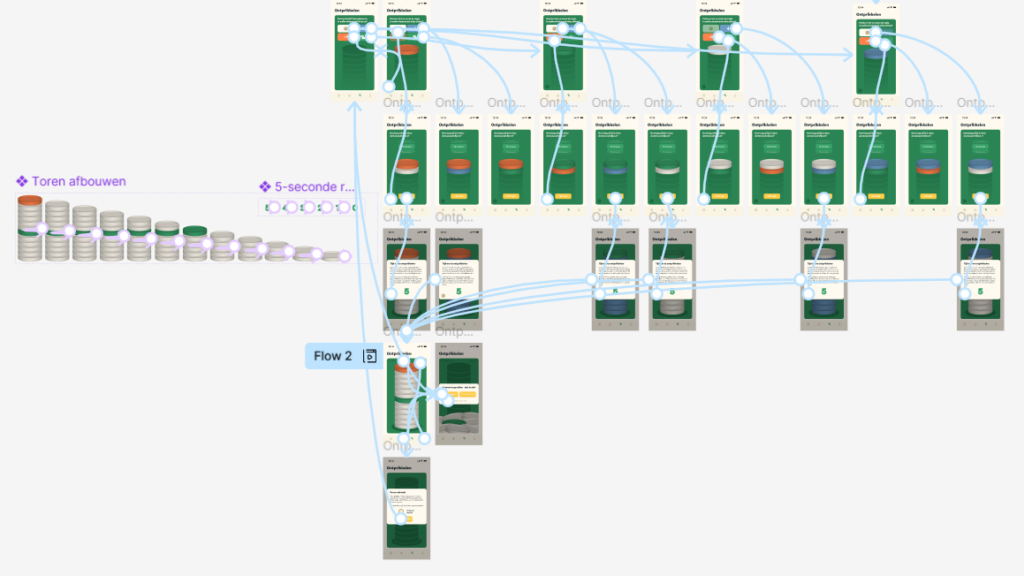
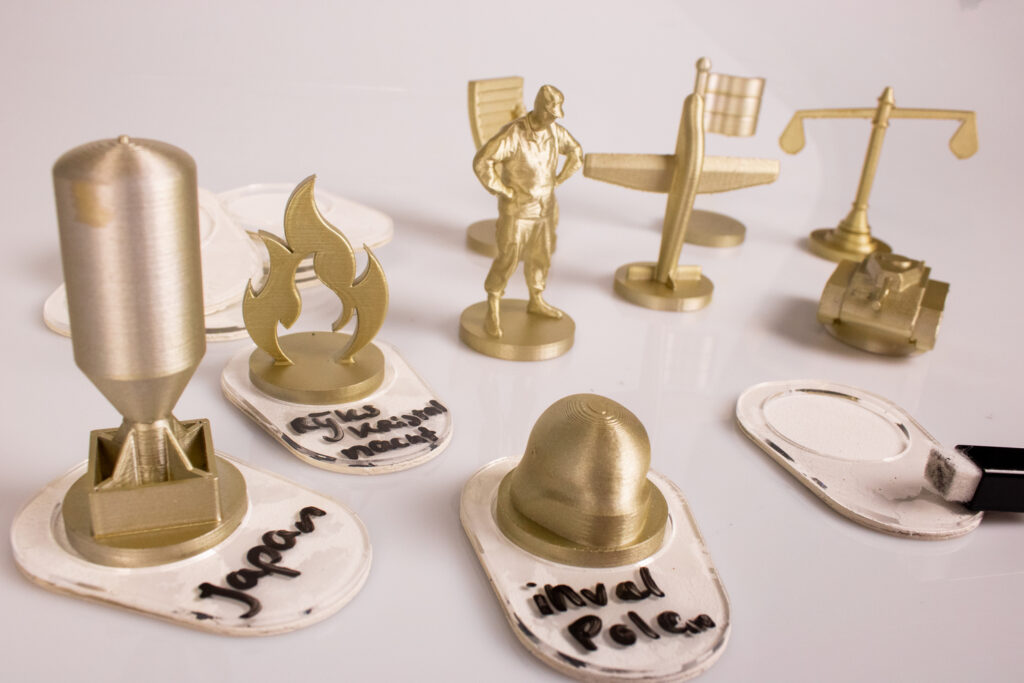
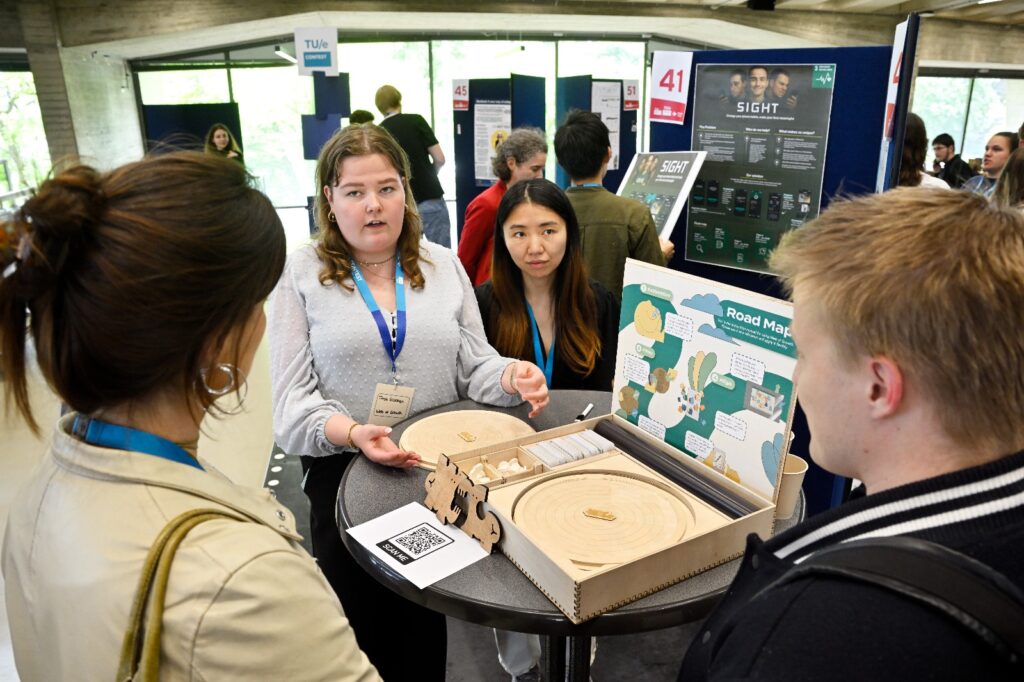
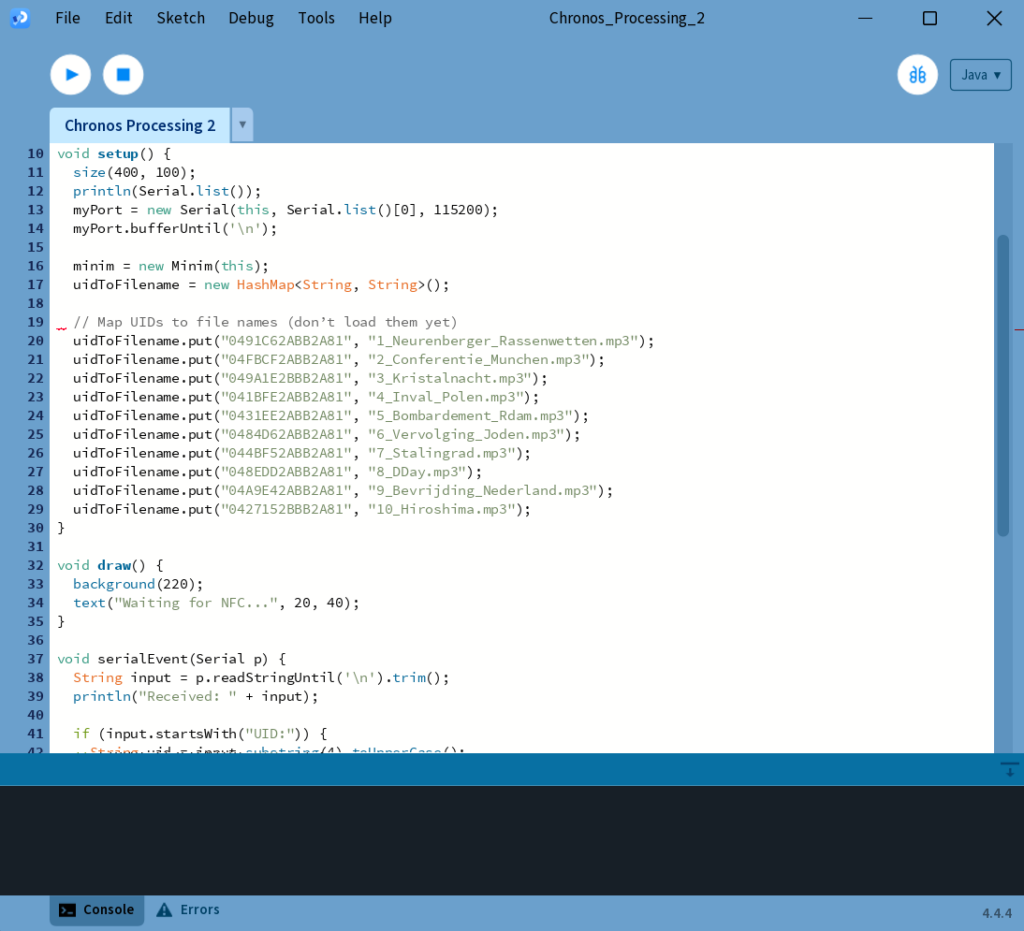
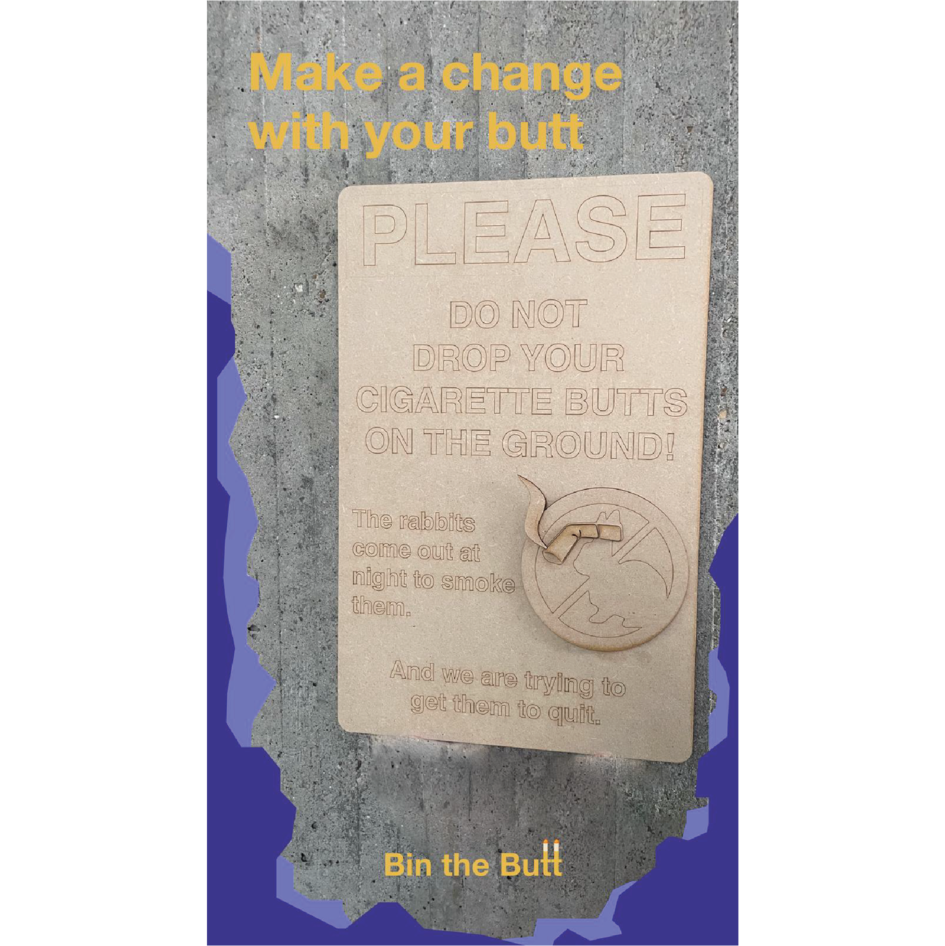
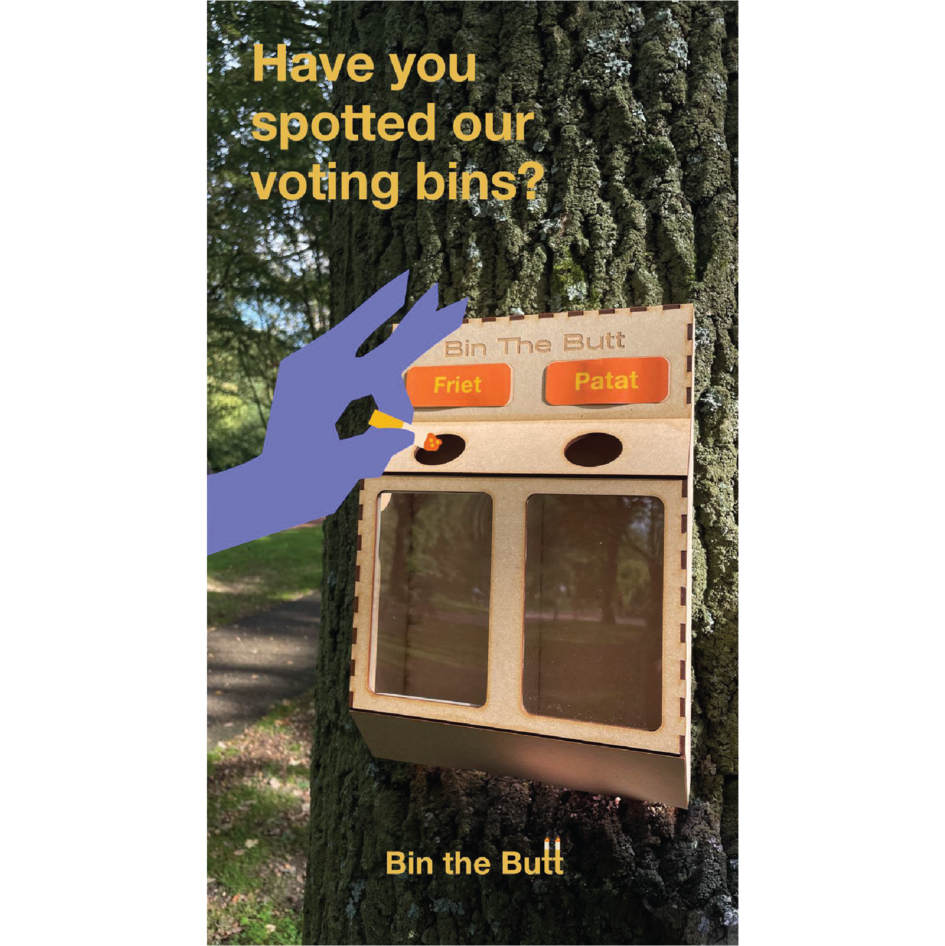
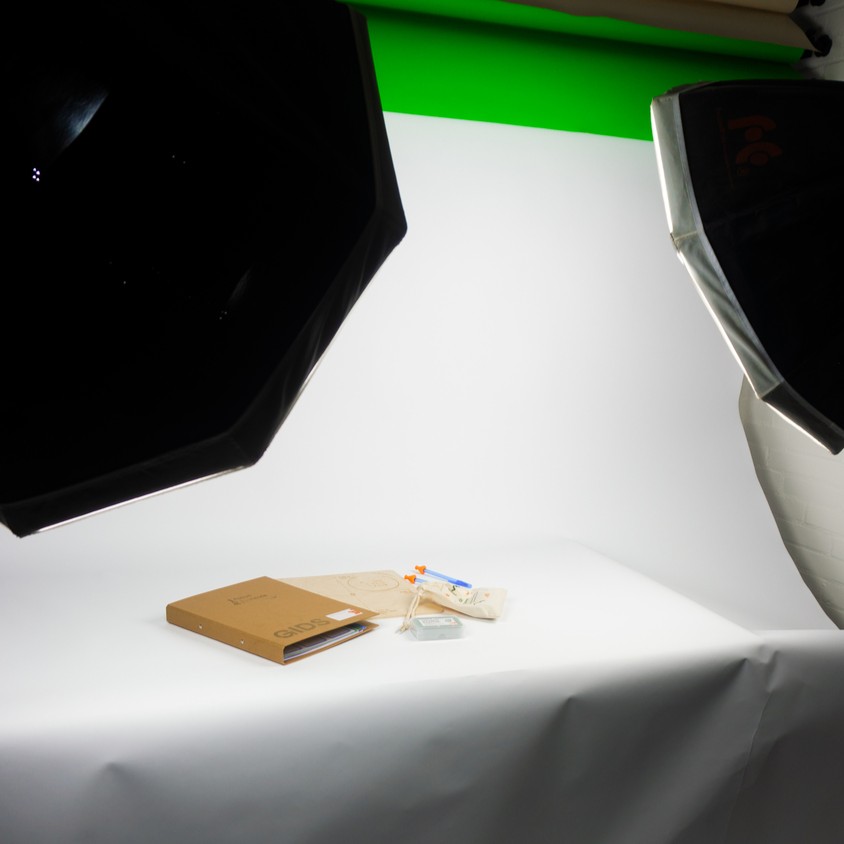
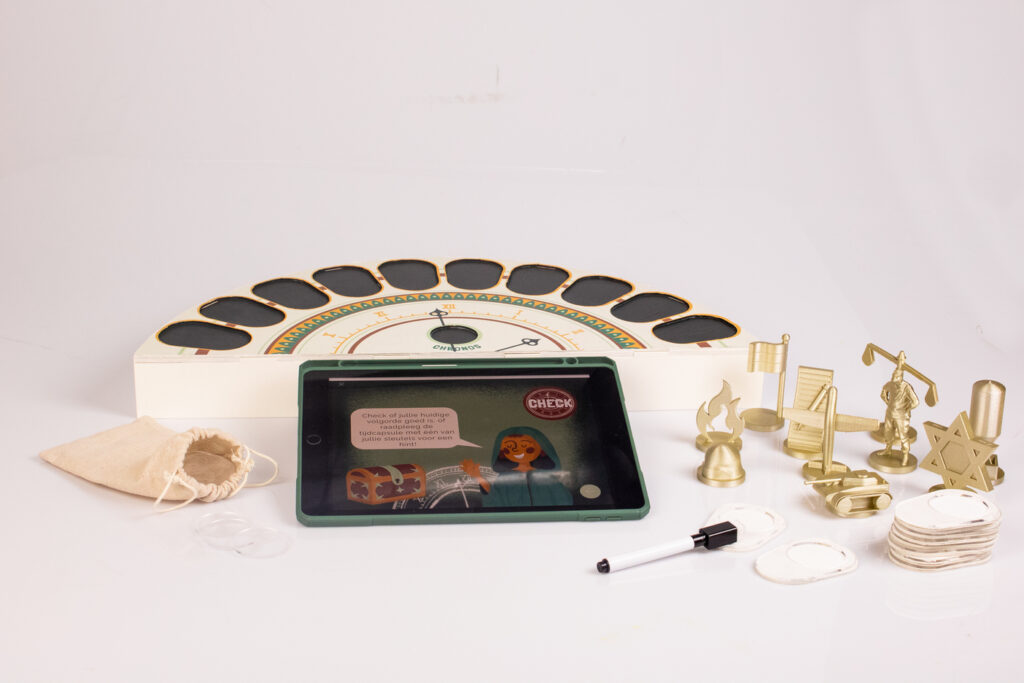
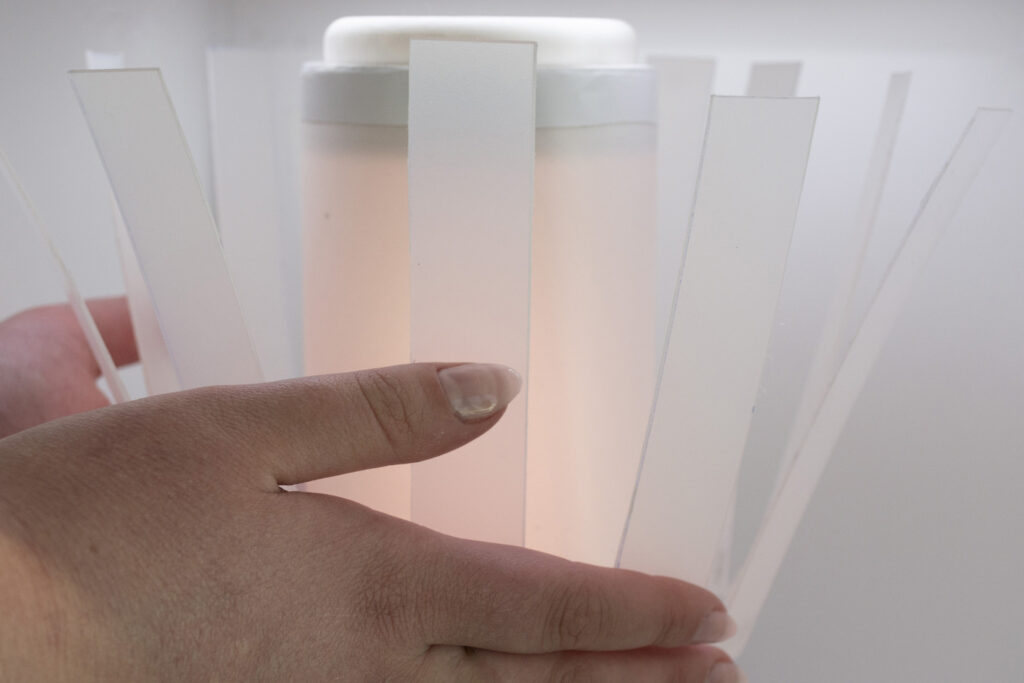
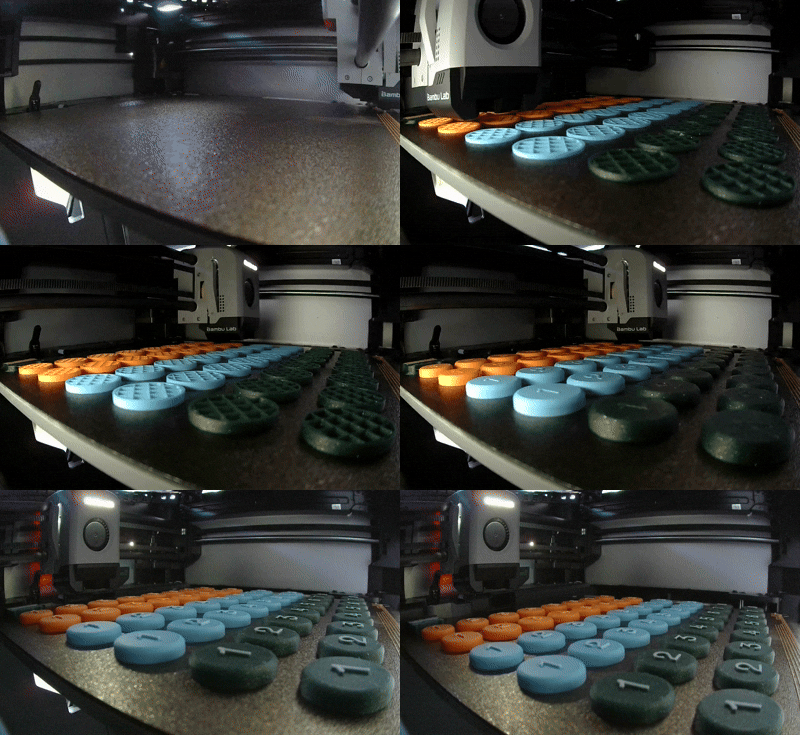
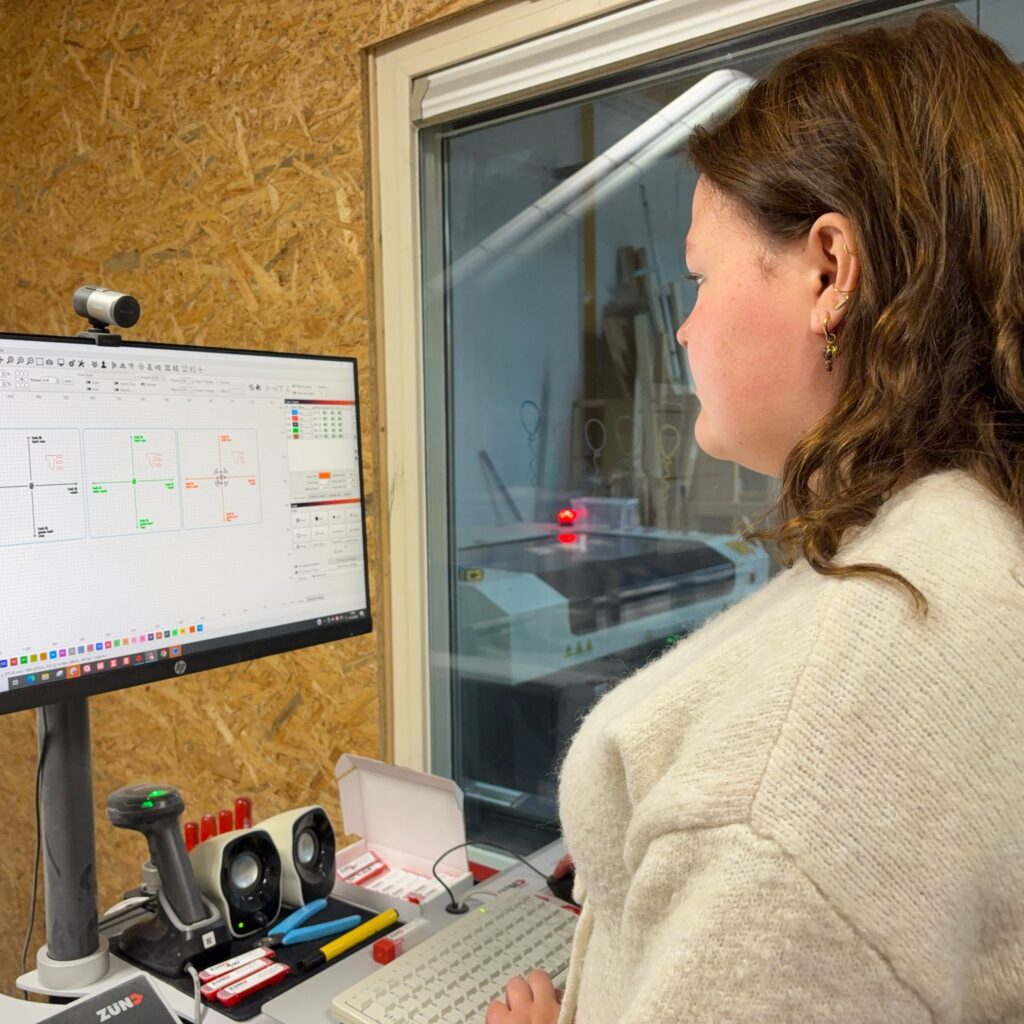
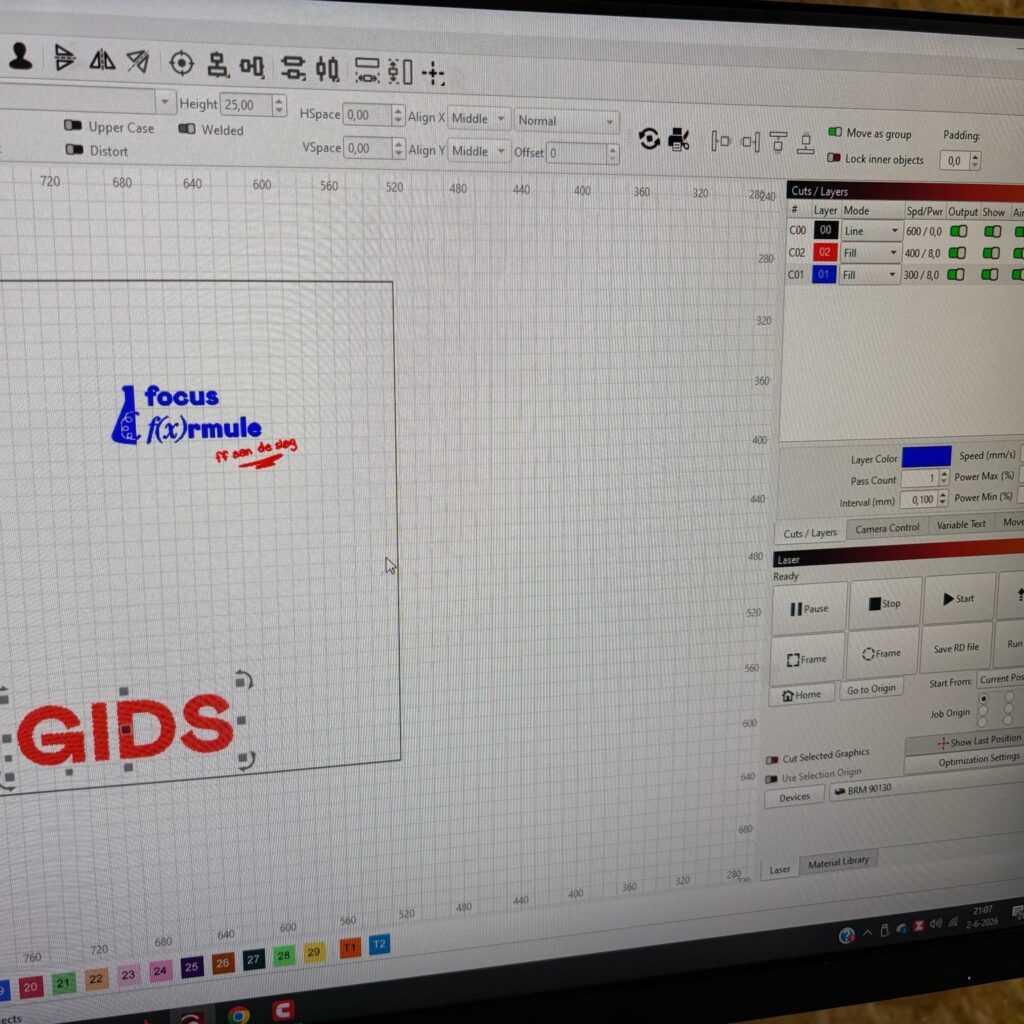
I have developed and expanded my skill set as a maker throughout my projects and internship. I learned to work with several production methods, such as lasercutting, milling, 3D-printing, and developing interactive digital prototypes in e.g. Figma I complement my own maker skills by leveraging existing technologies and production processes, allowing me to focus on the design decisions that create value for the user rather than developing every component myself. These lessons allow me to better assess suitable prototyping & production methods for the design and the context in which it will be used.
Moreover, my attitude towards technology has shifted. Whereas I previously mostly avoided electronic or digital elements because I found them complicated, I now see it as a valuable tool in design. I realize I do not need to master all technical aspects of it myself to leverage its qualities within my designs.
Business & Entrepreneurship
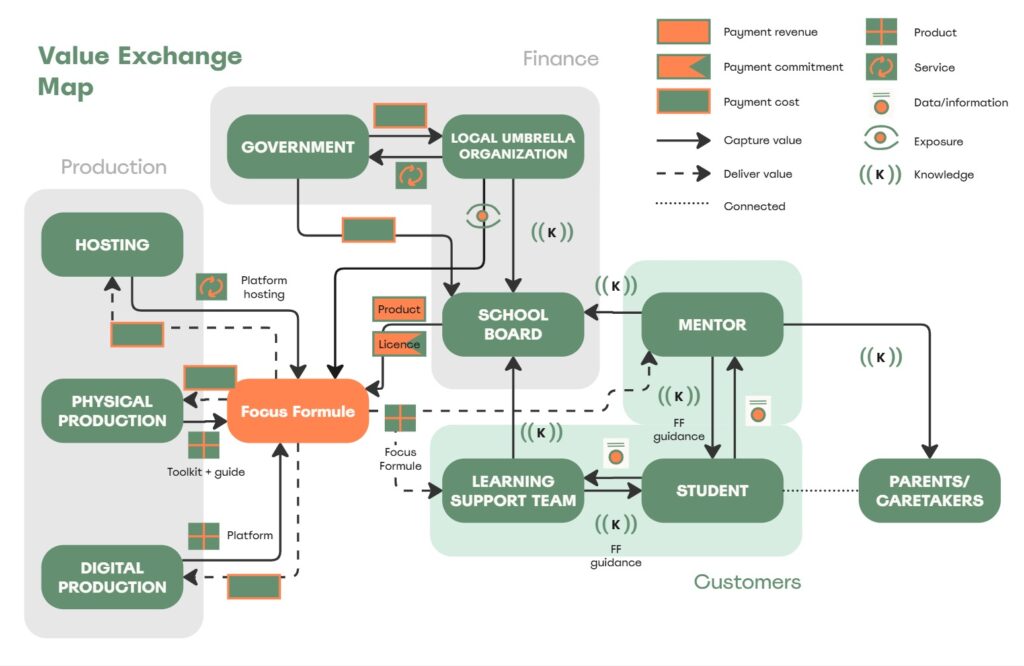
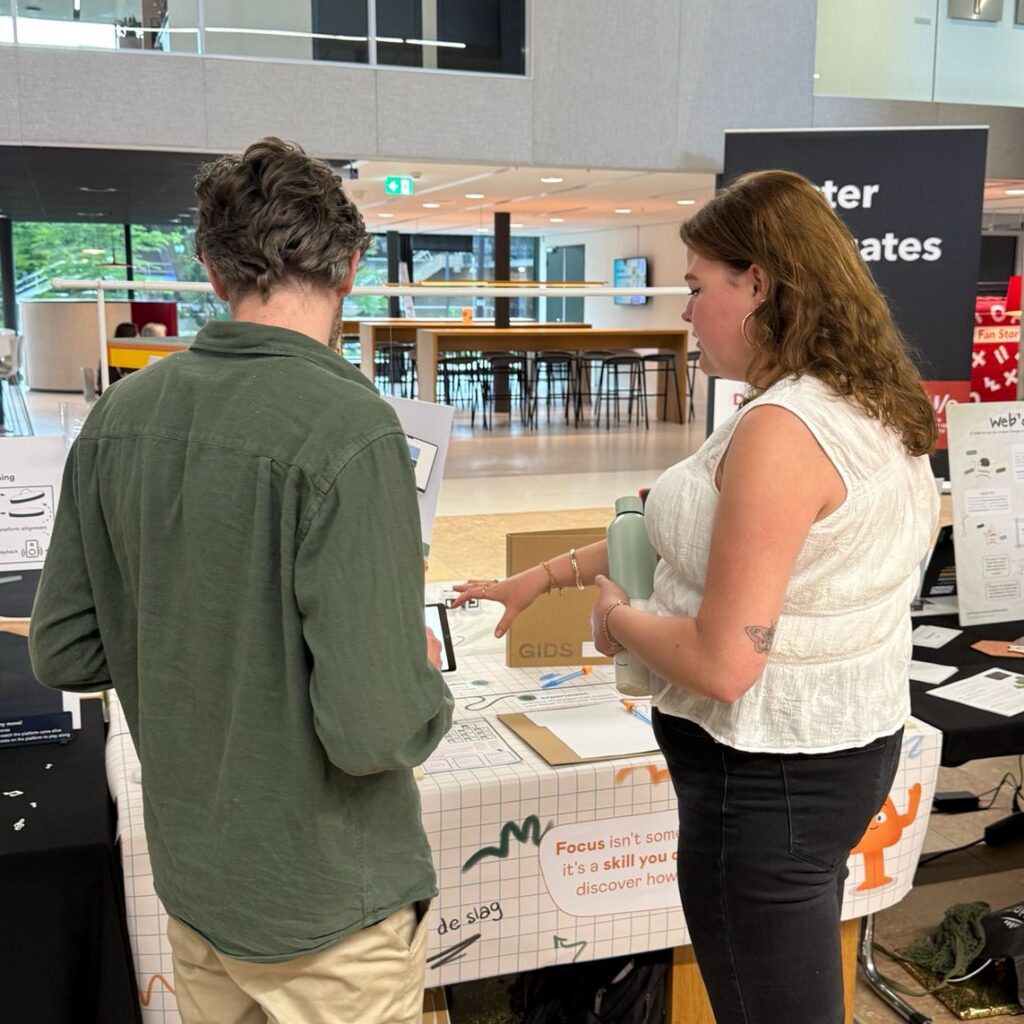
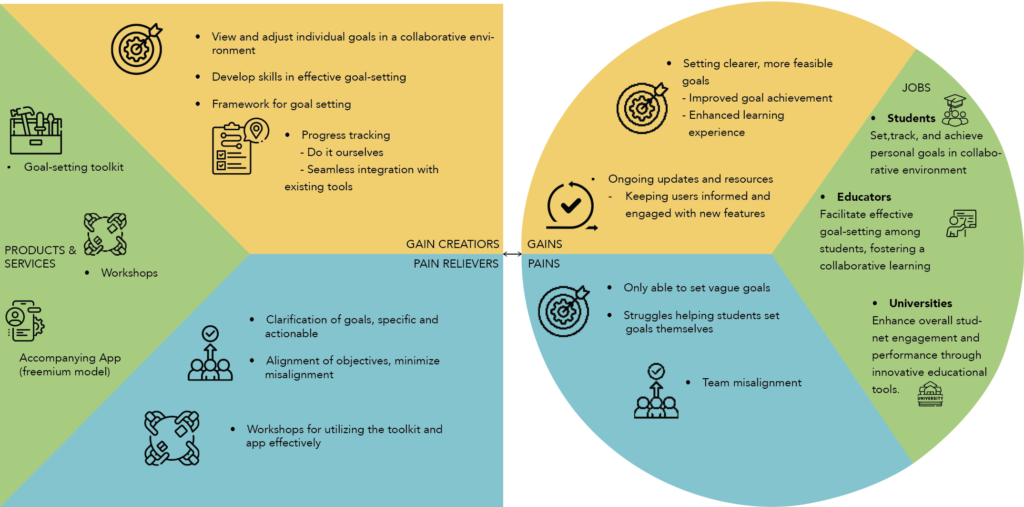
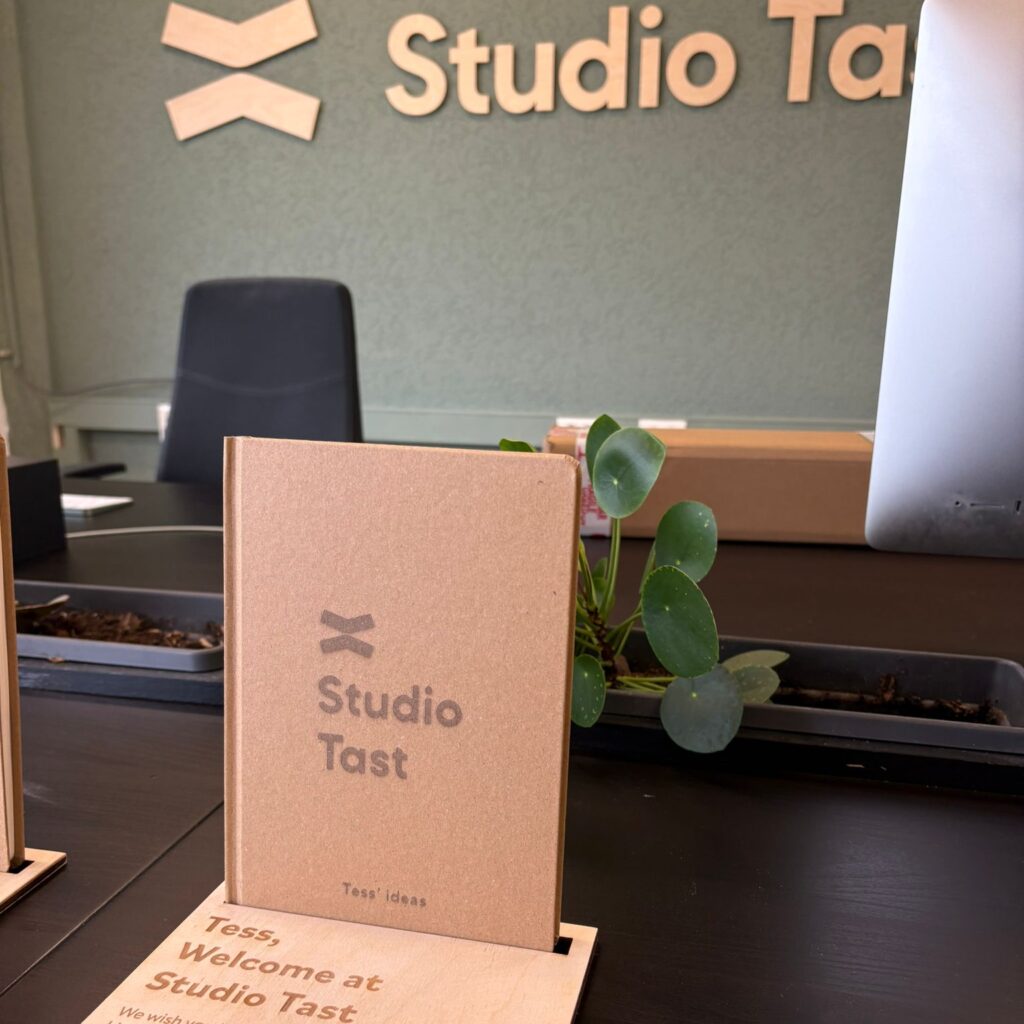
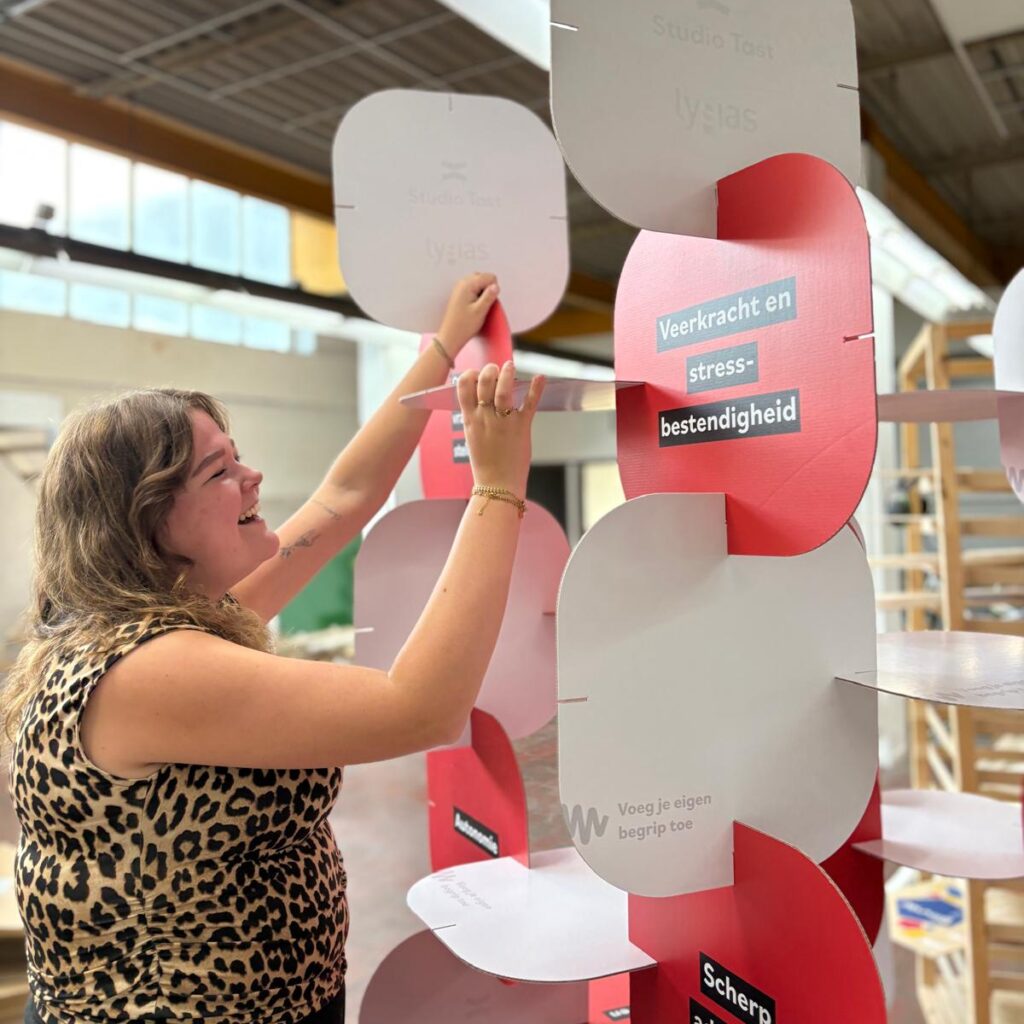
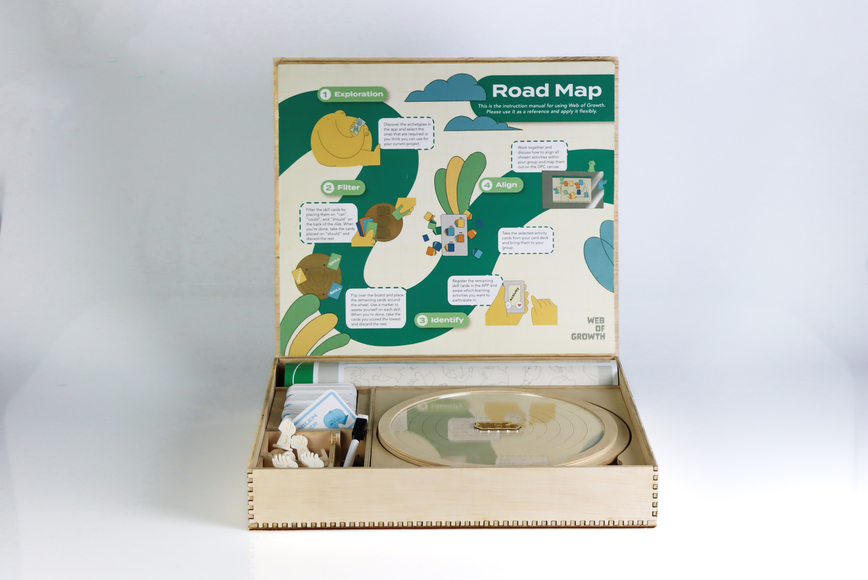
In my Master’s, I mostly learned to go beyond business model canvasses and explore real-world implementation. Through projects for real clients, my internship at Studio Tast, and the Web of Growth start-up, I learned to involve stakeholder’s early in my process and translate them to design principles. Stakeholder management, strategic design, implementation strategies, and production costs have become more central to my decision-making process.
I think it is important that design is not only valuable to users, but can actually be used. Because of this, I learned to consciously consider feasibility and implementation of a design solution throughout the process, without losing the user.


Math, Data & Computing
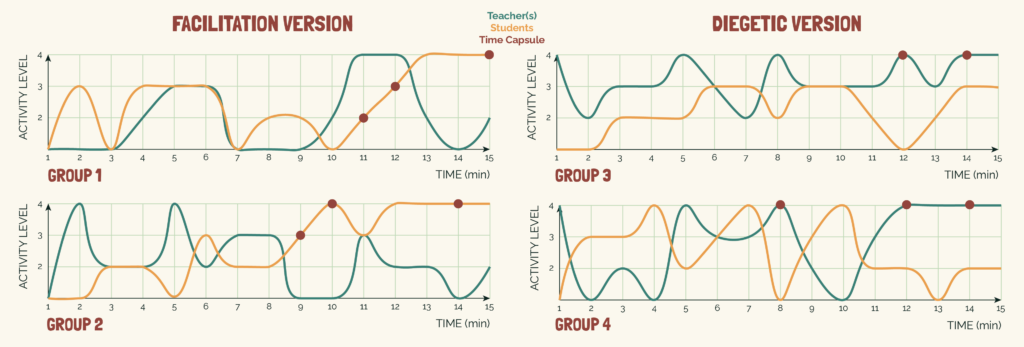
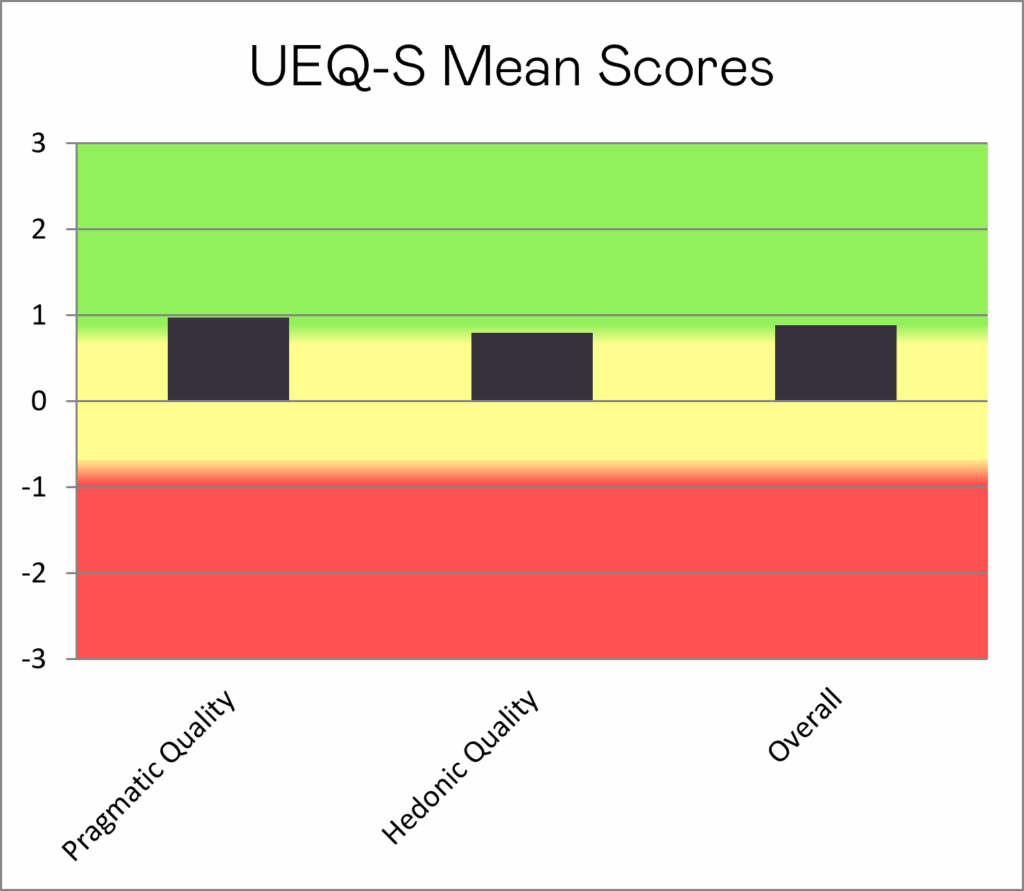
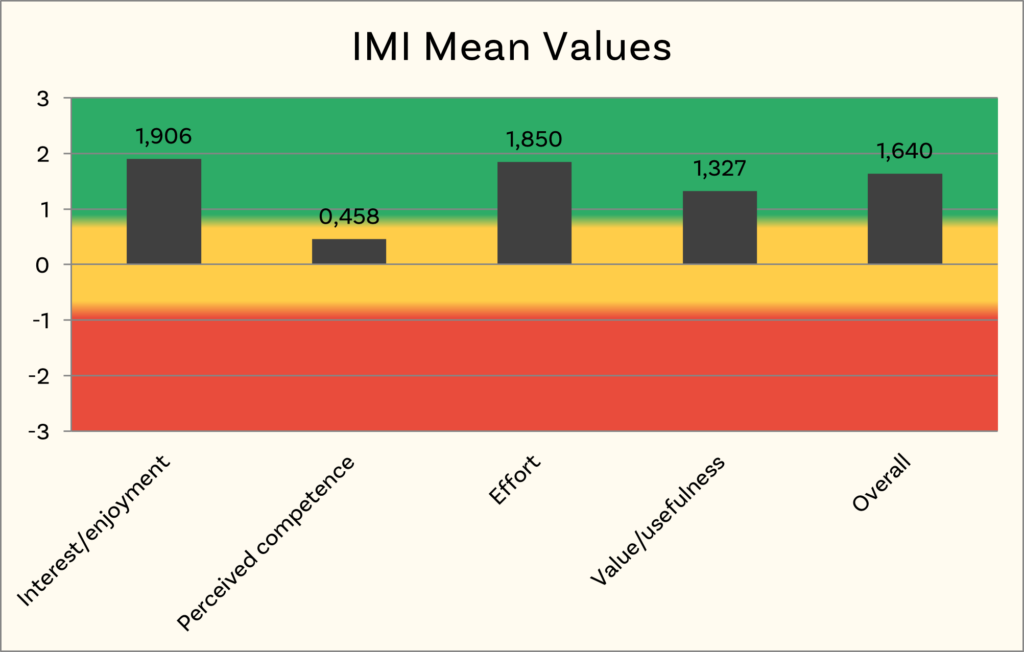
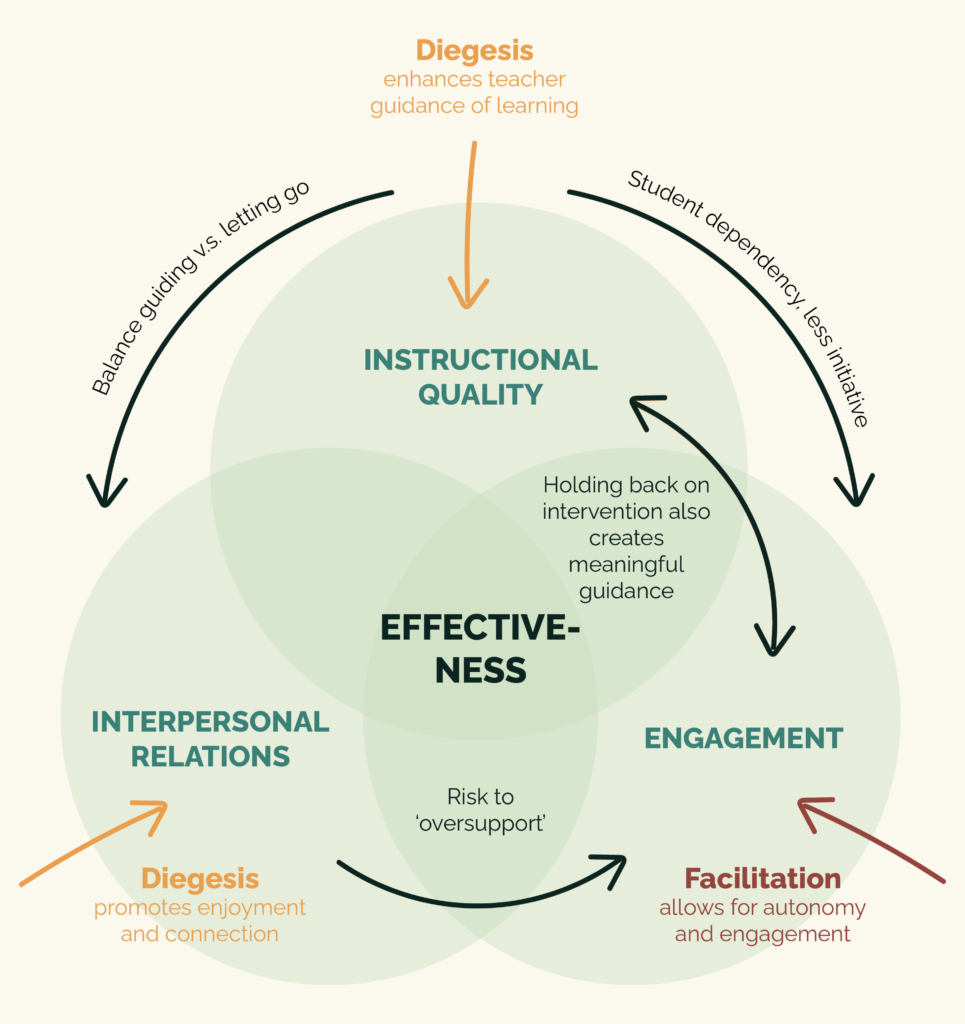
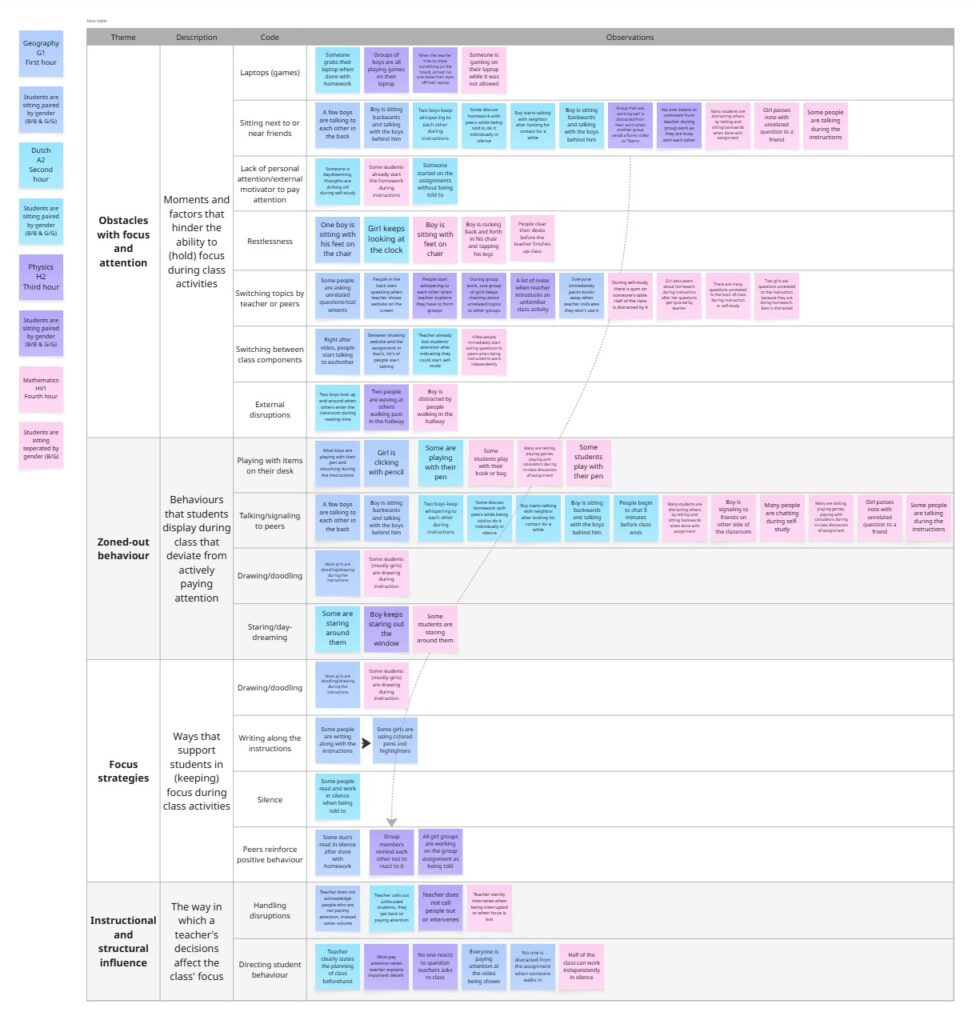
My biggest development within M,D&C is not only applying various data analysis methods, but mostly the way in which research supports my design process. I learned how qualitative analyses, such as thematic analysis, combined with quantitative methods in SPSS and Excel can underpin my choices. This allows me to draw more reliable conclusions and critically reflect on my results.
Additionally, I explored in my Master’s how research and design constantly reinforce each other. Whereas I used to focus mostly on developing a solution, I now see how research and data can also contribute to insights about the design challenges itself.
Integration and connection of EA’s in my process
Though described separately, these expertise areas weave into each other in my design process. It always starts with developing empathy for my user and their societal context through various design and research methods, ensuring my solutions stay align within my user system. Based on theory and empirical research I formulate design principles that shape my design decisions and strategy, which I also use as pillars to reflect my user test data against. My iterative design process is shaped by constantly translating insights into a user experience in which visual quality, meaningful interactions, and prototyping come together. While prototyping, I constantly take feasibility and implementation into account, ensuring I am designing for real-world impact.
Throughout my masters, I learned not to limit myself to viewing design from a practical, applied perspective, but rather connect theory, empirical research and iterative design with each other. As a result, I see my role as a designer not only as a contribution to developing a solution, but also as exploring the intersection of research and design.